
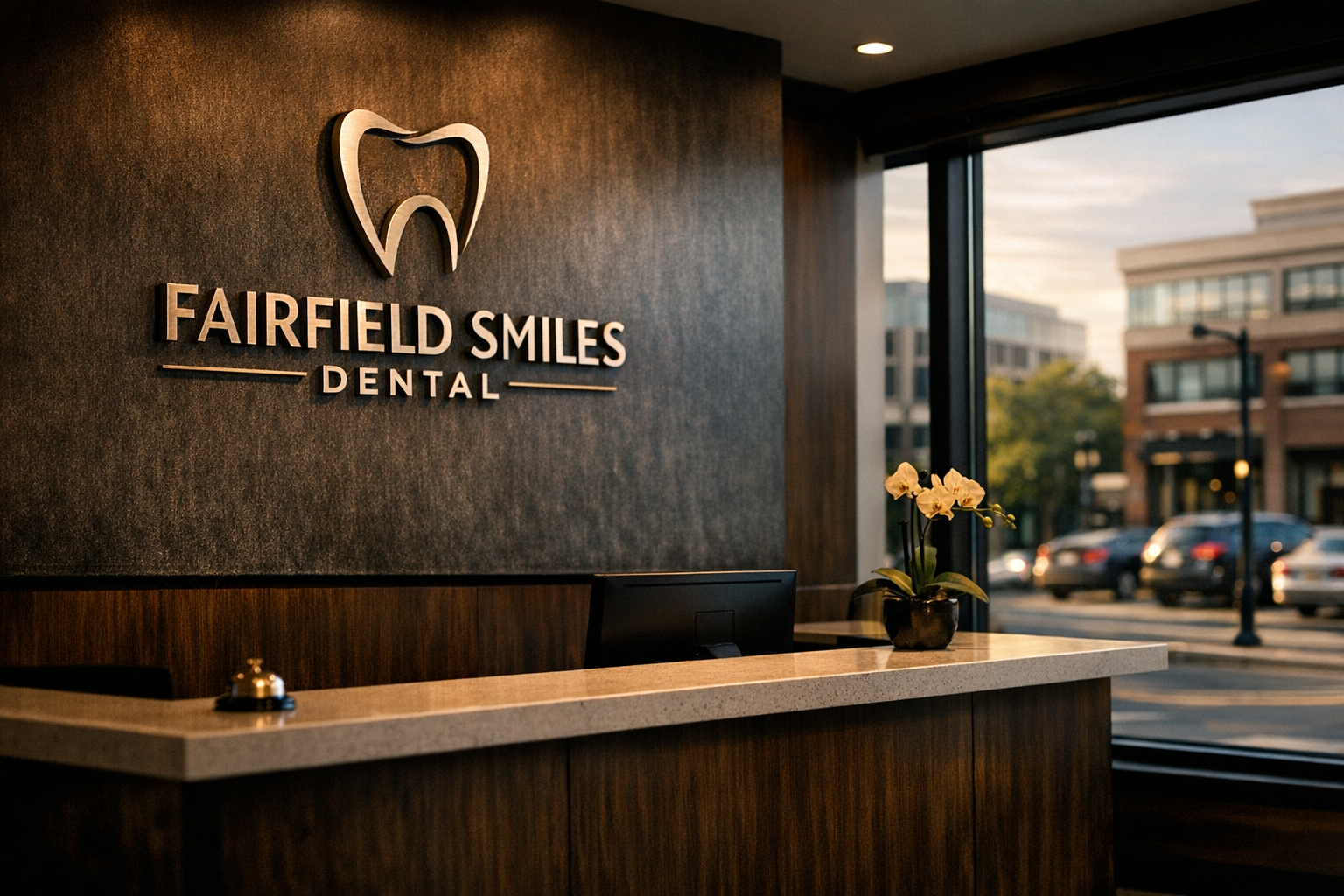
A lot of dental practices in Fairfield County think they have a patient acquisition problem when they really have a decision-loss problem.
People are searching. They are comparing. They are landing on multiple practices in under ten minutes. And they are making fast judgments based on what they see, how easy it is to act, and whether the practice feels current, credible, and convenient.
Most owners still assume new patients choose based on insurance acceptance, location, or clinical reputation alone. Those matter, but they do not decide the outcome by themselves. Not online. Online, your practice is being judged like a service business first and a healthcare provider second. If the experience feels dated, vague, or frustrating, people leave before your credentials ever have a chance to matter.
That is exactly how practices with solid dentists, loyal patients, and strong local reputations quietly lose market share to competitors that simply present better online.
In Fairfield County, that problem gets sharper. You are operating in an affluent, competitive market where expectations are higher, aesthetics matter, and convenience is not a bonus. It is assumed. Parents looking for a pediatric dentist in Westport, a professional searching for cosmetic dentistry in Greenwich, or a family comparing general dentists in Fairfield are not conducting a slow, careful review. They are filtering options quickly and eliminating practices that feel harder to trust.
If your new patient pipeline has become inconsistent, this is usually not because demand disappeared. It is because your competitors are removing friction more effectively than you are.
Your practice is probably losing trust before a patient ever calls
The biggest mistake dental practices make online is thinking trust starts when someone speaks to the front desk. In reality, trust starts before the first click and is either strengthened or destroyed by the time a visitor reaches your contact page.
Practices lose new patients online long before anyone asks about cleanings, veneers, implants, or Invisalign. They lose them through weak presentation, unclear positioning, and a website experience that makes the practice feel less established than it really is.
Your website is signaling the wrong things
Business owners often say, "Our website is fine." What they usually mean is that the site exists, the phone number is visible, and nobody internally has complained about it recently. None of that means it is helping you win patients.
A dental website has one real job: turn interest into booked appointments. If it looks old, loads slowly, buries key services, uses generic stock photography, or forces visitors to hunt for answers, it is not neutral. It is actively costing you revenue.
This is especially true in dentistry because people are not just evaluating treatment. They are evaluating comfort, professionalism, cleanliness, outcomes, and confidence. A dated website makes people wonder whether the office itself feels dated. Thin service pages make them assume you are less specialized. Generic copy makes your practice sound interchangeable. Weak visuals make cosmetic and high-value treatments harder to sell.
A competitor does not need to be better clinically to beat you. They just need a cleaner site, clearer messaging, stronger proof, and a more obvious path to book.
Here is what that looks like in the real world. A patient searches for "family dentist Fairfield County CT" or "Invisalign near me." They open three practices. One site feels polished, modern, and easy to navigate. Another has strong before-and-after visuals, clear service pages, transparent next steps, and obvious reviews. Then they land on yours and see outdated design, short paragraphs that say almost nothing, and a contact form tucked at the bottom of a page that feels like it was built years ago.
You do not get a second chance in that comparison set.
If that sounds familiar, this is where a focused improvement in your digital presence changes the economics of patient acquisition. A stronger, more conversion-focused website does not just make the practice look better. It increases the percentage of existing traffic that turns into calls and appointment requests. That is why many practices eventually need a more serious rethink of their online presence through a proper website redesign and revamp rather than another round of minor edits.
You are making patients work too hard to choose you
Dental practices love to say they are patient-centered. Online, many do the exact opposite.
They hide office hours. They make insurance information hard to find. They leave service descriptions vague. They offer no clear explanation of what a first visit looks like. They send mobile users through clumsy menus and slow pages. Then they wonder why new patient inquiries are inconsistent.
Patients do not want to decode your practice. They want quick clarity.
For a new family considering a dentist, the checklist is simple: Do you offer the services they need? Are you close enough? Do you seem credible? Do you accept their insurance or offer financing? Can they book without hassle? Will the experience feel professional?
If your site forces them to click around for basic answers, you have created friction at exactly the point where competitors are removing it.
The damage is worse on mobile, where much of local dental traffic now happens. A parent looking for an urgent appointment from a parking lot is not studying your site. They are scanning for proof and a quick path to action. If your phone number is not instantly tappable, if booking is awkward, or if the page structure feels chaotic, they move on.
This is where many practices lose patients they never even knew they had a chance to win.
The fix is not complicated, but it requires discipline. Clear service architecture. Strong local positioning. Fast mobile performance. Better social proof. Obvious next steps. Fewer distractions. Better content where actual patient questions live. The practices that win online are usually not doing something brilliant. They are simply making it easy for a patient to say yes.
Your competitors are not necessarily better dentists, just better positioned online
This is the part many practice owners resist. They assume competitors are winning because of bigger budgets, longer history, or more aggressive advertising. Sometimes that is true. More often, the winning practice is just packaging itself better at the exact moment patients are deciding.
In local healthcare markets like Fairfield County, better positioning compounds. It improves search visibility, strengthens first impressions, raises conversion rates, and gives the front desk warmer leads to work with. Over time, that creates the illusion that one practice is simply more in demand, when in reality it is just more effective online.
Weak local visibility makes your practice invisible at the moment of demand
A beautiful website is useless if the right people never find it.
Many dental practices have a visibility problem disguised as a marketing problem. They show up weakly in local search, have thin or inconsistent Google Business profiles, lack location relevance across their website, and publish almost nothing that helps them rank for high-intent services in the areas they serve.
That matters because local dental searches are not broad branding exercises. They are intent-rich searches tied directly to revenue. Someone looking for "emergency dentist Fairfield CT," "cosmetic dentist Greenwich," or "dental implants near Westport" is not casually browsing. They are close to action.
If your competitors appear in the map pack, have stronger reviews, better-structured service pages, and more localized relevance, they will absorb demand that should have at least reached your shortlist.
Too many practices treat SEO like a side issue or a one-time setup. It is neither. Local search visibility is part of patient acquisition infrastructure. If it is weak, your pipeline becomes overdependent on referrals, inconsistent paid campaigns, or existing brand recognition.
The smarter move is to build a search presence that captures demand across the specific treatments and towns that matter to your practice. That means stronger location pages where appropriate, more useful service content, tighter on-page structure, better internal linking, and a more deliberate local SEO strategy. If your practice is not appearing where patients are actively searching, investing in SEO services becomes less about marketing theory and more about reclaiming lost appointments.
Your online reputation is either converting demand or wasting it
Reviews are not a vanity metric in dentistry. They are sales collateral.
A practice can spend money driving traffic, improve rankings, and still lose patients if the reputation layer is weak. And weak does not just mean low star ratings. It also means too few recent reviews, generic responses, inconsistent review velocity, and no visible proof that real patients trust the experience.
People looking for a dentist are unusually sensitive to signals of reassurance. They want evidence that the office is organized, gentle, clean, punctual, and professional. They want confirmation that staff are pleasant, billing is manageable, and outcomes are worth it. That kind of trust is often built faster through reviews than through your own website copy.
Now look at what many practices do wrong. They ask for reviews casually. They ask inconsistently. They stop after getting a handful. They let old negative reviews sit unanswered. They make no effort to feature patient proof strategically across service pages. Then they wonder why traffic does not convert.
Your competitors are benefiting from a far more powerful effect: accumulated reassurance. When a patient sees dozens or hundreds of recent, specific, high-quality reviews, resistance drops. When those reviews align with a polished site, strong local rankings, and a clear booking path, the decision becomes easy.
This is also where premium and elective services are won or lost. Cosmetic dentistry, Invisalign, veneers, and implants require a higher trust threshold than routine cleanings. Patients are not just picking a provider. They are weighing risk, cost, aesthetics, and confidence. Weak reputation signals push those patients toward practices that feel safer.
A serious dental practice should treat reputation management as part of operations, not an occasional marketing task. Front desk workflows should support review generation. Service lines should have testimonial depth. Google Business should look active and cared for. Website pages should reinforce trust with real specifics, not generic claims about compassionate care.
When this system works, your online presence stops leaking demand. The traffic you already earn becomes more valuable. Referral prospects convert at a higher rate because your brand validates what they heard offline. Search visitors feel enough confidence to act. And the practice grows without relying on guesswork.
Fairfield County is full of dental practices that are clinically capable but digitally weak. That gap is where new patients are won and lost every day. The practices pulling ahead are not always the most established. They are the ones that look current, rank where intent is highest, reduce friction, and make trust easy to feel quickly.
If your practice is losing patients online, the market is not the problem. The presentation, positioning, and conversion path usually are. Fix those, and a lot of what felt like a lead problem starts looking like revenue that was sitting in plain sight.